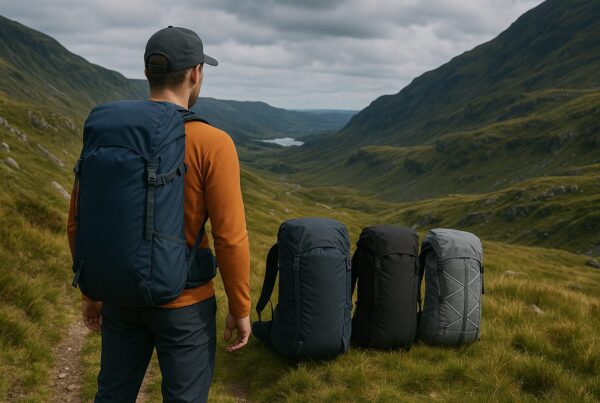
Few long-distance hikes capture the imagination of UK walkers quite like the West Highland Way. Stretching 96 miles (154 km) from the outskirts of Glasgow to the foot of Ben Nevis, the UK’s highest mountain, this trail is a rite of passage for many British hikers. Since its official opening in 1980, more than 40,000 people each year lace up their boots to take on its mix of lochside paths, moorland crossings, and dramatic Highland glens.
For those looking to experience Scotland’s raw beauty, the West Highland Way offers it all: the tranquil shores of Loch Lomond, the wild expanse of Rannoch Moor, the grandeur of Glencoe, and finally the triumph of walking into Fort William with tired legs and an unshakable sense of achievement.
This guide is designed to be your cornerstone resource for hiking the West Highland Way — whether you’re a first-time backpacker or a seasoned trekker planning your next Scottish adventure. We’ll cover everything from when to go and what gear to pack to itineraries, accommodation, and insider tips drawn from real hiker experiences.
It should take you about half an hour to read, so grab a coffee, or if you’re in a rush use the ‘Table of Contents’ below to jump to a particular section.
1. Why the West Highland Way is Legendary

Young hiker on her first West Highland Way adventure.
The West Highland Way is far more than just a trail — it’s a journey through Scotland’s ever changing landscape with its glorious scenery, its rich heritage, traditions and culture. And it’s available to everyone, no matter your age, experience, country or culture… the WHW is accessible to all and it’s free (ish!)
A Trail with History
The path follows a patchwork of ancient drovers’ roads, old military routes laid down by General Wade in the 18th century, and traditional paths once used by Highland clans. Walking the WHW is as much a step back through Scotland’s history as it is a wilderness adventure.
Iconic Scenery
From the gentle farmland near Milngavie to the rugged drama of Glencoe, the trail showcases the diversity of the Scottish Highlands:
-
Loch Lomond – Britain’s largest freshwater loch, with miles of shoreline walking.
-
Rannoch Moor – a wild, windswept plateau often described as one of the most remote places in Britain.
-
Glencoe – steep-sided mountains steeped in both beauty and history.
-
Ben Nevis views – the final approach to Fort William is dominated by Britain’s highest peak.
Shared by Many, Experienced Differently
With its popularity comes a wide variety of experiences. Some hikers describe it as life-changing:
“Crossing Rannoch Moor with the wind at my back, I felt like I was walking on the roof of Scotland.” – WHW finisher, 2022.
Others remember the challenges:
“By day four the midges were relentless, and the rain never let up. It was the hardest hike I’ve ever done — and yet I’d do it all again tomorrow.” – Hiker review on UK walking forum.
This combination of beauty and difficulty has cemented the West Highland Way as Scotland’s most famous long-distance trail, and for many, the gateway to longer routes like the Cape Wrath Trail or international classics like the Camino de Santiago.
2. When to Hike the West Highland Way
Choosing the right time of year is one of the most important decisions you’ll make when planning the West Highland Way. Scotland’s weather is famously unpredictable, and the trail can feel completely different depending on the season.
Spring (April – June): The Sweet Spot
For many hikers, late spring is the best time to tackle the trail.
- Pros:
- Long daylight hours (up to 18 hours in June).
- Fresh greenery, wildflowers, and snow still dusting the higher peaks.
- Midges (Scotland’s notorious biting insects) are usually not yet at their peak.
- Cons:
- April can still bring frost and snow on higher ground.
- May is a popular month, so accommodation books quickly.
💬 “I hiked in May and had almost a full week of sunshine — unheard of in Scotland! It felt like cheating.” – UK hiker, 2019.
Summer (July – August): Long Days, Big Crowds
The school holidays bring the busiest period on the West Highland Way.
- Pros:
- Warmest temperatures of the year.
- Festivals and events in Highland towns.
- Cons:
- Peak midge season (they thrive in damp, windless conditions).
- Accommodation fills up months in advance.
- Afternoon thunderstorms and heavy rain showers are common.
💬 “We camped every night in July — beautiful sunsets but the midges nearly drove us mad.” – Backpacking couple, 2021.
Autumn (September – October): Quiet Beauty
Early autumn is a fantastic time for walkers who prefer fewer crowds.
- Pros:
- Midges taper off by mid-September.
- Autumn colours in the Highlands can be breathtaking.
- Cooler temperatures make for more comfortable walking.
- Cons:
- Days grow noticeably shorter.
- October can bring heavy rain and boggy ground.
💬 “September was perfect — no midges, no crowds, and the golden light on Glencoe was unforgettable.” – Solo hiker, 2020.
Winter (November – March): For Experienced Hikers Only
The West Highland Way is open year-round, but winter conditions transform it into a serious undertaking.
- Pros:
- Solitude — you may have whole sections of trail to yourself.
- Snow-covered mountains create stunning scenery.
- Cons:
- Very short daylight hours (as little as 6 in December).
- Ice, snow, and river crossings can be hazardous.
- Limited accommodation and facilities open.
Unless you are a well-equipped winter mountaineer, most hikers are advised to avoid walking the WHW between November and March.
Quick Reference: Best Times to Walk
| Season | Weather | Midges | Crowds | Overall |
|---|---|---|---|---|
| April – June | Cool, mixed | Few | Moderate | ✅ Best balance |
| July – August | Warm, wet spells | Peak | Busy | Good, but prepare for midges |
| Sept – Oct | Cool, colourful | Low | Quiet | ✅ Excellent choice |
| Nov – Mar | Cold, snow/ice | None | Very quiet | 🚫 Only for experts |
3 Fitness & Training
Although the West Highland Way isn’t a technical mountain climb, it is still a serious physical challenge. At 96 miles (154 km), most itineraries will have you walking 10–20 miles per day, often carrying a fully loaded backpack over mixed terrain.
Who Can Do It?
-
Beginner hikers with a reasonable level of fitness can complete the WHW — but only with preparation.
-
Experienced walkers will find the trail demanding but achievable.
-
Children and older walkers regularly complete the route, though shorter daily stages or baggage transfer services may be advisable.
What Makes It Demanding?
-
Cumulative distance: Even without huge ascents, walking day after day is taxing.
-
Terrain: Expect rocky lochside scrambles, boggy moorland, and exposed highland passes.
-
Weather: Rain, wind, and sun often appear in the same day, sapping energy.
💬 “I’d done plenty of weekend hikes in the Peak District, but stringing seven long days together was a real shock to the legs.” – Hiker reflection, 2018.
Training Recommendations
-
Start early – Aim to train for at least 8–12 weeks before your walk.
-
Weekly long walks – Build up to 15–20 mile day hikes on local trails.
-
Back-to-back days – Practice walking two long days in a row to simulate trail fatigue.
-
Carry weight – Train with your loaded rucksack (8–12 kg is typical for WHW).
-
Mix terrain – Seek out hills, muddy paths, and rocky trails to replicate Scottish conditions.
UK Training Hike Ideas
-
South Downs Way – rolling chalk hills, good for back-to-back miles.
-
Hadrian’s Wall Path – similar length stages, lots of heritage interest.
-
Lake District Day Hikes – for hill fitness and rough ground experience.
-
St Cuthbert’s Way – including the famous pilgrim’s way to Holy Island (Lindisfarne).
-
Wales Coastal Path – in particular Pembrokeshire, or Harlech to Caernarfon.
- South West Coast Path – in particular North Devon to the Cornwall stretch.
👉 Key takeaway: You don’t need to be an athlete to hike the West Highland Way, but building up endurance, leg strength, and confidence with your gear will make the difference between an enjoyable challenge and a painful slog.
4.1 Essential Gear
Walking the West Highland Way means being prepared for all four seasons in a single day. A sunny morning by Loch Lomond can quickly turn into driving rain on Rannoch Moor, and the midges can test the patience of even the hardiest hiker. Having the right kit is not just about comfort — it’s about safety and ensuring you enjoy the journey.
The Backpack
Of all the gear you’ll need to complete the West Highland Way, a Good Quality and Well Fitting backpack is top of the list. Ask any seasoned distance hiker and they’ll tell you this universal truth: your backpack can make or break a trip — nothing determines your comfort on the trail quite like your pack.
For West Highland Way hikers, the choice is even more critical. You’ll be hiking in unpredictable weather, across rugged terrain, carrying lots of gear for several days. A poorly fitted or cheaply built backpack might feel okay on a quick loop around the local woods, but load it with 12kgs of camping kit and haul it 15 miles across Rannoch Moor and you’ll soon be cursing every step. For this reason I recommend getting the best pack you can.
👉 Pro Tip: See our review of the Best High-End Backpacks for UK Backpacking (2025 Edition).
The Scottish Essentials
-
Waterproof Jacket & Trousers – Breathable, fully waterproof layers are non-negotiable. Look for taped seams and adjustable hoods.
-
Sturdy Hiking Boots – Waterproof boots with ankle support are best. The lochside path and moorland can be rocky and boggy.
-
Gaiters – Not to every hikers taste, but can be a lifesaver in Scotland’s muddy stretches and for keeping boots dry in heavy rain.
-
Midge Protection – A fine mesh midge head net (not mosquito), is essential in summer. DEET-based repellents or Smidge spray (UK favourite) also helps.
-
Base Layers & Quick-Dry Clothing – Cotton is a poor choice as it retains moisture; opt for merino wool or synthetic fabrics (sports/running gear can also be a good choice)
-
Warm Layers – Even in summer, nights can drop close to freezing in exposed areas. A Fleece Top and a Down Jacket can make a real difference at camp.
-
Navigation Tools – Harvey’s West Highland Way map (XT40) or OS Landranger sheets 56 & 50; a compass; plus a navigation app like OS Maps or Komoot.
-
First Aid & Blister Kit – The WHW is long enough that small problems (like blisters) can quickly become trip-ending. You don’t need a full trauma kit, just a small trek kit and some Compeed Blister Plasters (or similar) is fine.
- Trekking Poles – They will help on rough sections along Loch Lomond and with long descents into Kinlochleven.
💬 “I thought gaiters were overkill until I hit three miles of bog after Crianlarich — they saved my socks and sanity.” – Hiker’s comment, 2021.
Sleeping & Shelter (for Campers)
-
Tent or Tarp – Lightweight and storm-worthy; Scotland’s winds can shred cheap tents in minutes.
-
Sleeping Bag – Comfort rating around 0°C for spring/autumn; warmer in winter.
-
Sleeping Mat/Pad – For insulation as much as comfort. Inflatable pads generally offer better insulation from the cold ground.
Cooking & Food
-
Stove & Fuel – A Small Stove & Gas/Fuel. Gas canisters are widely available in Glasgow and Fort William, but are scarce on trail so get them at the start.
-
Lightweight Cookware – One pot, a mug, and a spork will do.
-
Food Strategy – Combination of trail snacks and supermarket resupplies in Drymen, Tyndrum, and Kinlochleven. Also check campsite shops along the way.
Optional Comforts
- Camp Shoes – Lightweight /Crocs/Sandals for evenings. You’ll be glad you did
-
Power Bank – for charging phone/GPS.
-
Lightweight Sit Mat – Because there’s nothing worse than a soggy bottom!
Affiliate Gear Recommendations (UK-Based)
- Backpacks: Osprey Atmos AG 65 / Osprey Aura AG 65 (Women’s) or the Deuter Aircontact Core 60+10
- Tents MSR Hubba Hubba NX (light but roomy) or Big Agnes Copper Spur HV UL (The compact Bikepacking version is perfect for Hiking).
-
Boots: Scarpa Terra GTX or Salomon Quest 4D GTX – both are durable, waterproof, ideal for mixed Scottish terrain.
-
Waterproof jacket: Rab Downpour Plus 2.0 or Berghaus RG Alpha 2.0 – both have a breathable shell with excellent wet-weather performance.
-
Midge protection: Smidge Insect Repellent – Scottish-made, highly effective.
-
Maps: Harvey Map – West Highland Way – lightweight, waterproof, trail-specific mapping.
👉 Affiliate note: all links are to trusted UK outdoor retailers such as — Cotswold Outdoor, Trekitt, Amazon UK, Cicerone, etc.
👉 Pro tip: The West Highland Way doesn’t require expedition-level gear, but it does demand kit you can trust in the rain, wind, and bog. Cutting corners here is the fastest way to a miserable trip.
4.2 Packing List Recommendation
Packing for the West Highland Way is a balancing act: carry too much and every mile feels heavier than it should; cut corners and you risk being cold, wet, or uncomfortable. The key is to keep your base weight (everything except food and water) manageable — for most hikers, 8–12 kg is a sensible target.
Core Packing Checklist
| Category | Essential Items | Notes |
|---|---|---|
| Clothing | Waterproof jacket & trousers, hiking boots, 2–3 pairs hiking socks, 2–3 base layer tops, 1 mid-layer fleece, 1 insulated jacket, walking trousers, gaiters, hat & gloves | Merino/synthetic fabrics; no cotton |
| Sleep System (campers) | Tent/tarp, sleeping bag (0°C comfort), sleeping mat | Wild camping is legal in Scotland, but pack a reliable shelter |
| Cooking (campers) | Stove + Gas, 1 pot, lighter/matches, mug/spork, food bags | Gas canisters available in Glasgow & Fort William |
| Hydration | 1–2L bottles or bladder, water filter or purification tablets | Most streams are drinkable with treatment |
| Navigation | Harvey WHW map, compass, GPS app (OS Maps/Komoot), power bank | Don’t rely solely on phone |
| Health & Safety | First aid kit, blister plasters, midge net, insect repellent, sunscreen, headtorch + spare batteries | Midges peak in summer |
| Miscellaneous | Trekking poles, sit mat, dry bags/stuff sacks, lightweight camp shoes | Small comforts make a big difference |
Printable West Highland Way Packing List
Here is a downloadable PDF/printable checklist for you to use. It is pretty basic but will serve a quick reminder when you’re loading your pack.
The Loaded Backpack – West Highland Way Packing List
Food & Resupply
-
Supermarkets/shops at Milngavie, Drymen, Crianlarich, Tyndrum, Kinlochleven, Fort William.
-
Plan for 2–3 days of food between stops; dehydrated meals or pasta/noodles are trail favourites.
-
Scottish treats – try oatcakes, shortbread, or a celebratory whisky at Fort William!
Weight-Saving Tips
-
Multi-use items: A buff works as hat, neck warmer, or midge barrier.
-
Resupply strategy: Don’t carry a week’s worth of food — buy as you go.
-
Electronics: Limit to phone, headtorch, and one power bank if possible.
-
Group sharing: If hiking with friends, share tent/cook kit to reduce pack weight.
💬 “I cut my pack down to 9 kg and it transformed my trip — every hill felt easier, and I wasn’t dreading putting the rucksack back on in the mornings.” – WHW hiker, 2022.
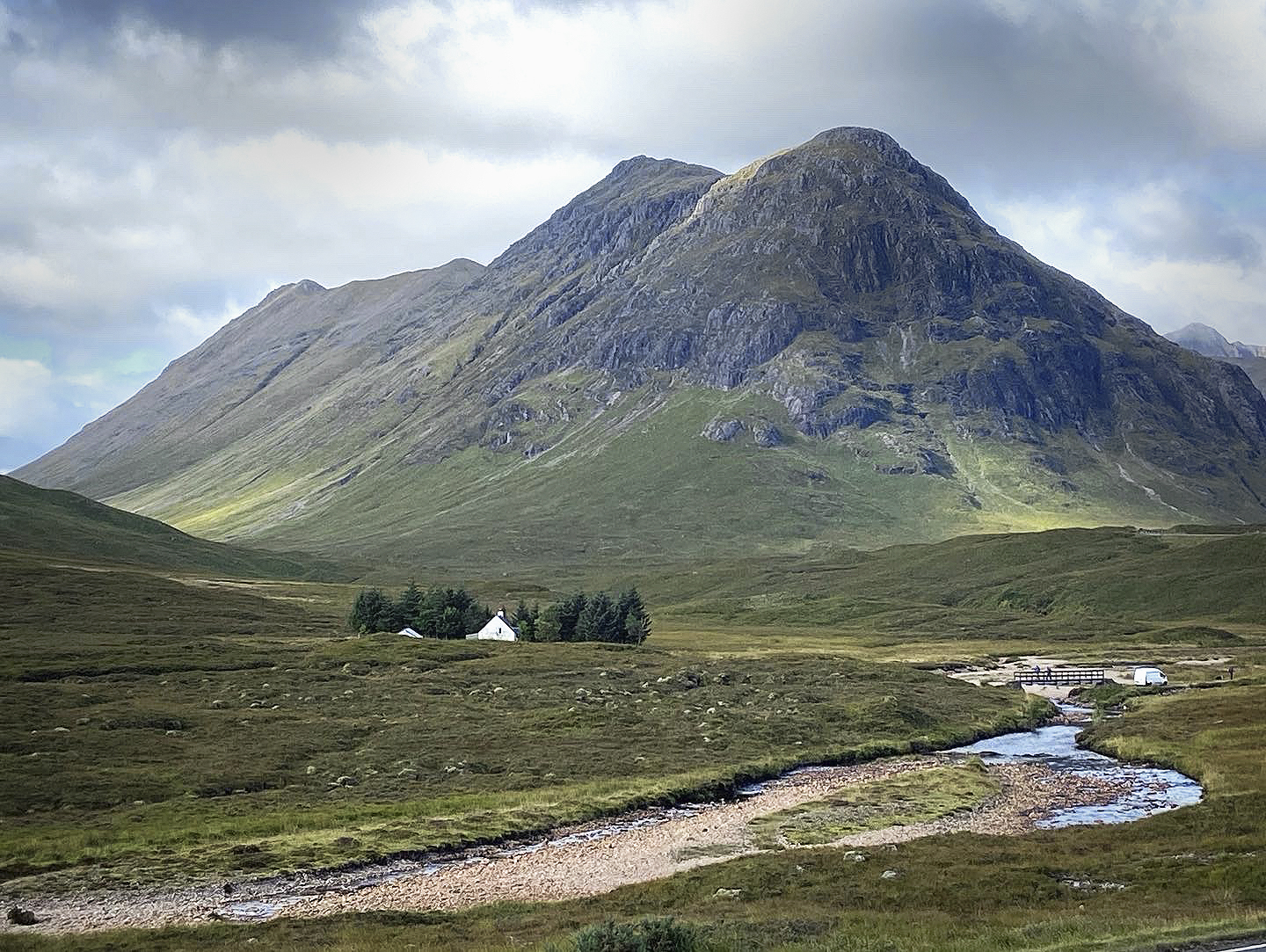
5. Itineraries & Distances
The West Highland Way can be walked in as little as 5 days or stretched out to 11 or more depending on pace, fitness, and accommodation choices. Below are realistic sample itineraries to help you plan.

4.1 5-Day Itinerary (Fast-Paced)
The 5-day version is best suited to fit and experienced hikers, or those using baggage transfer to keep packs light. Expect long days, often 18–20 miles.
| Day | From – To | Distance | Notes |
|---|---|---|---|
| 1 | Milngavie → Rowardennan | 27 km / 17 mi | A long first day, but flattish terrain. Skirts Loch Lomond’s southern shore. |
| 2 | Rowardennan → Crianlarich | 32 km / 20 mi | Tough lochside path followed by rolling climbs into Crianlarich. |
| 3 | Crianlarich → Bridge of Orchy | 21 km / 13 mi | Easier day on old military roads; chance to recover. |
| 4 | Bridge of Orchy → Kinlochleven | 34 km / 21 mi | Across Rannoch Moor, through Glencoe, then the steep Devil’s Staircase descent into Kinlochleven. |
| 5 | Kinlochleven → Fort William | 24 km / 15 mi | Final push over Lairigmor pass with views of Ben Nevis. |
Pros: Efficient, saves time off work, fewer nights’ accommodation.
Cons: Long days leave little time for sightseeing or rest.
💬 “I loved the challenge of the 5-day schedule, but by Fort William I felt broken. If I did it again, I’d slow down.” – WHW finisher, 2017.
4.2 7-Day Itinerary (The Classic)
The 7-day plan is by far the most popular, striking a balance between daily distance and recovery time.
| Day | From – To | Distance | Notes |
|---|---|---|---|
| 1 | Milngavie → Drymen | 19 km / 12 mi | Gentle start through farmland and woodland. |
| 2 | Drymen → Rowardennan | 24 km / 15 mi | Conic Hill climb, superb views over Loch Lomond. |
| 3 | Rowardennan → Inverarnan | 22 km / 14 mi | Lochside path with rough scrambles, rewarding but tiring. |
| 4 | Inverarnan → Tyndrum | 32 km / 20 mi | Longer day, rolling terrain, pass Crianlarich. |
| 5 | Tyndrum → Bridge of Orchy | 12 km / 7.5 mi | Shorter day; good chance for rest. |
| 6 | Bridge of Orchy → Kingshouse | 30 km / 19 mi | Across Rannoch Moor — exposed, remote, unforgettable. |
| 7 | Kingshouse → Fort William | 35 km / 22 mi | Devil’s Staircase climb, descent into Kinlochleven, then Lairigmor to finish under Ben Nevis. |
Pros: Manageable for most walkers with preparation, popular accommodation rhythm.
Cons: Still demanding; final day is long if pushed through to Fort William.
💬 “Seven days gave me time to enjoy the pubs, scenery, and even a rest afternoon. It felt like the right balance.” – UK hiker, 2019.
4.3 9-Day Itinerary (Relaxed but Steady)
The 9-day plan is ideal for hikers who want to savour the route without rushing. Daily distances are shorter, making it easier on the legs and giving more time for side trips or leisurely evenings.
| Day | From – To | Distance | Notes |
|---|---|---|---|
| 1 | Milngavie → Drymen | 19 km / 12 mi | Gentle farmland and forest tracks. |
| 2 | Drymen → Balmaha | 12 km / 7.5 mi | Conic Hill climb, big Loch Lomond views. |
| 3 | Balmaha → Rowardennan | 12 km / 7.5 mi | Pleasant lochside paths. |
| 4 | Rowardennan → Inverarnan | 23 km / 14.5 mi | Rugged Loch Lomond shoreline. |
| 5 | Inverarnan → Crianlarich | 10 km / 6 mi | Easier day, chance to restock. |
| 6 | Crianlarich → Tyndrum | 10 km / 6 mi | Short stage, gentle rolling terrain. |
| 7 | Tyndrum → Bridge of Orchy | 12 km / 7.5 mi | Military roads, mountain views. |
| 8 | Bridge of Orchy → Kingshouse | 19 km / 12 mi | Across remote Rannoch Moor. |
| 9 | Kingshouse → Fort William | 35 km / 22 mi | Devil’s Staircase, Kinlochleven, finish in Fort William. |
Pros: Gentle pace, more time to enjoy villages, reduces risk of injury.
Cons: Requires more nights of accommodation; long final day.
💬 “Doing it in 9 days meant I could enjoy pints, meet locals, and not feel shattered every night. Best holiday I’ve ever had.” – WHW walker, 2021.
4.4 11-Day Itinerary (Beginner & Leisurely Pace)
The 11-day version is perfect for new long-distance hikers, those travelling with children, or anyone who simply wants to slow down and enjoy Scotland at a walking pace.
| Day | From – To | Distance | Notes |
|---|---|---|---|
| 1 | Milngavie → Drymen | 19 km / 12 mi | Easy start through farmland. |
| 2 | Drymen → Balmaha | 12 km / 7.5 mi | Conic Hill climb and descent. |
| 3 | Balmaha → Rowardennan | 12 km / 7.5 mi | Lochside walking. |
| 4 | Rowardennan → Inversnaid | 11 km / 7 mi | Rugged loch path. |
| 5 | Inversnaid → Inverarnan | 11 km / 7 mi | More challenging lochside terrain. |
| 6 | Inverarnan → Crianlarich | 10 km / 6 mi | Short day, chance to resupply. |
| 7 | Crianlarich → Tyndrum | 10 km / 6 mi | Rolling farmland and forest. |
| 8 | Tyndrum → Bridge of Orchy | 12 km / 7.5 mi | Steady day on military roads. |
| 9 | Bridge of Orchy → Inveroran | 3 km / 2 mi | Very short stage; enjoy Highland scenery. |
| 10 | Inveroran → Kingshouse | 16 km / 10 mi | Remote crossing of Rannoch Moor. |
| 11 | Kingshouse → Fort William | 35 km / 22 mi | Devil’s Staircase, Kinlochleven, final push. |
Pros: Best option for beginners, plenty of recovery time, easy to adjust stages.
Cons: More logistics; long final day unless split again at Kinlochleven (making it 12 days).
💬 “I was nervous about the distance, but breaking it into 11 days made the WHW completely doable. I finished tired but smiling.” – First-time long-distance hiker, 2018.
At-a-Glance Distance Table
| Itinerary | Total Days | Avg. Daily Distance | Longest Day |
|---|---|---|---|
| 5-Day | 5 | 30 km / 18 mi | 34 km / 21 mi |
| 7-Day | 7 | 24 km / 15 mi | 35 km / 22 mi |
| 9-Day | 9 | 20 km / 12.5 mi | 35 km / 22 mi |
| 11-Day | 11 | 14 km / 9 mi | 35 km / 22 mi |
6.1 Wild Camping on the West Highland Way
One of the unique appeals of the West Highland Way is that it passes through Scotland, where the Scottish Outdoor Access Code gives hikers the right to wild camp responsibly. For many, pitching a tent under the stars adds a layer of freedom and adventure to the journey.
The Legal Side
Scotland’s Land Reform Act (2003) allows wild camping on most unenclosed land, which means you can wild camp for the majority of the WHW. However there is one place you cannot. The camping bylaws forbid wild camping in parts of the Loch Lomond & The Trossachs National Park (between March 1st and September 30th).
This area, referred to as the ‘Camping Management Zone‘ starts at the entrance to the Balmaha forest about 1km below the summit of Conic Hill, and ends above Ptarmigan Lodge about 3 km after the Rowardennan Hotel. Both points are clearly signposted to avoid confusion.
Within this designated ‘Camping Management Zone‘ you can only wild camp at one of the specifically designated camping areas, with a permit obtained from the Trossachs National Park Website. These are available 4 weeks before and only 5 are available for each area per day so books early. Also when booking be sure to check and choose the right location e.g. Loch Lomond. As of 2025 these cost £4.30 per day.
👉 For a more detailed guide to wild camping in the UK see our article: Wild Camping Legality & Best Practices In The UK.
Note: If you can’t get permit or don’t wish to camp in the designated areas, there are official campsites within the same area where permits are not required and these may be booked as normal.
Pros of Wild Camping
-
Ultimate flexibility: stop where you feel like, within reason.
-
Lower cost — free camping means no nightly fees.
-
Immersive experience — sunsets over Rannoch Moor, dawn light on Ben Nevis.
💬 “The night I camped on the shores of Loch Lomond was the highlight of my whole trip. Quiet, beautiful, and totally unforgettable.” – SQ, 2021.
Cons of Wild Camping
-
Pack Weight — You’ll have to carry everything with you. This will make the hike more challenging.
-
Exposure to weather — strong winds and rain can test your tent to breaking point.
-
Midges can be ferocious at still lochside camps.
-
Limited facilities — no showers, toilets, or easy resupply.
Popular Wild Camping Spots
-
Conic Hill area (Drymen–Balmaha) – stunning loch views, but check local restrictions.
-
Loch Lomond’s quieter stretches – scenic but midge-prone.
-
Rannoch Moor – a true wilderness experience, but exposed.
-
Above Kinlochleven – peaceful spots before the final day.
Wild Camping Etiquette
-
Pitch late, leave early.
-
Leave No Trace — Carry out all litter
-
Avoid farmland, houses, and enclosed fields.
-
Keep group size small.
👉 Gear Tip: A lightweight but storm-worthy tent is essential. Single-pole trekking tents and 3-season models are popular among WHW wild campers.
6.2 Campsite Hopping on the West Highland Way
If you like the idea of camping but prefer a few home comforts along the way, then campsite hopping is the ideal compromise. The West Highland Way is well-served by a chain of campsites spaced along the route, allowing you to pitch your tent each night while still having access to toilets, showers, and sometimes even pubs or shops.
Pros of Campsite Hopping
-
Facilities: hot showers, toilets, sometimes drying rooms or small shops.
-
Security: safer than wild camping in terms of kit and peace of mind.
-
Social atmosphere: campsites often buzz with fellow WHW hikers.
💬 “Every evening we rolled into a campsite and had a hot shower, cooked dinner, and swapped stories with other walkers. It was the perfect balance of adventure and comfort.” – WHW hiker, 2020.
Cons of Campsite Hopping
-
Fixed schedule: you need to plan stages around campsite locations.
-
Cost: typically £8–£15 per person per night.
-
Busy in summer: popular sites can book up quickly.
Notable Campsites Along the Route
-
Drymen Camping – first stop out of Milngavie, friendly and hiker-focused.
-
Cashel Campsite (Loch Lomond) – large site with facilities; book ahead in peak season.
-
Beinglas Farm (Inverarnan) – well-equipped, with pub and shop. (our favourite)
-
By The Way Hostel & Campsite (Tyndrum) – excellent facilities, drying room, kitchen.
-
Inveroran Hotel area – wild camping spots nearby, but also limited formal options.
-
Blackwater Hostel & Campsite (Kinlochleven) – campsite plus hostel beds, good for a final night.
Who It Suits Best
-
Hikers wanting comfort without the expense of B&Bs.
-
Families or mixed groups.
-
Those new to long-distance hiking who want a balance between self-sufficiency and security.
Gear Tip: A 2–3 season tent is still required. Even with campsites, the Scottish Highlands can dish out rough weather, so don’t rely on cheap festival tents.
6.3 B&Bs, Hostels, and Inns
For many hikers, the West Highland Way is not just about the walking but also the chance to experience Highland hospitality. Staying in B&Bs, hostels, and traditional inns gives you a warm bed, a hot meal, and often a hearty cooked breakfast before you set out again.

The Drovers Inn — opened in 1705, is one of the oldest licensed premises in Scotland.
Pros of Staying Indoors
-
Comfort: real beds, hot showers, and drying rooms.
-
Cultural experience: meet locals, enjoy pub meals, and sample whiskies.
-
Lightweight packs: many hikers combine B&Bs with luggage transfer services, carrying only day packs.
💬 “Arriving soaked in Crianlarich and being welcomed with tea and a roaring fire was the best morale boost of the whole week.” – WHW walker, 2018.
Cons of Staying Indoors
-
Cost: expect £30–£60 per person per night for B&Bs, more for hotels.
-
Booking essential: in peak months, rooms sell out 6–9 months in advance.
-
Less flexibility: you’re tied to fixed daily distances.
Popular Stops & Options
-
Drymen: Several welcoming B&Bs and pubs.
-
Balmaha: Small hotels and guesthouses, perfect after Conic Hill.
-
Inverarnan: The famous Drovers Inn (est. 1705) is a classic WHW stop.
-
Tyndrum: Multiple options including hostels and B&Bs; excellent resupply point.
-
Bridge of Orchy: Limited but cosy hotel/inn accommodation.
-
Kingshouse: Historic inn with a bar and restaurant overlooking Buachaille Etive Mòr.
-
Kinlochleven: Range of hostels, guesthouses, and pubs — a lively final stop.
-
Fort William: Hotels, hostels, and B&Bs to celebrate your finish.
Who It Suits Best
-
Hikers seeking comfort and a cultural experience.
-
Walkers with less interest in camping or carrying heavy packs.
-
First-time long-distance walkers who want reassurance of a bed at the end of each stage.
Booking Tip: Reserve well in advance, especially May–September. If you prefer spontaneity, aim for spring or autumn when demand is lower.
7. Towns & Villages You’ll Pass Through
One of the joys of the West Highland Way is the rhythm of walking through wild landscapes before arriving in small towns and villages for rest, food, and resupply. Each stop has its own character, from bustling trail hubs to quiet Highland hamlets.
Milngavie (Start)
-
Why it matters: Official starting point, marked by a granite obelisk in the town centre.
-
Facilities: Supermarkets, outdoor shops, cafés, train station (direct from Glasgow).
-
Hiker note: Stock up on snacks and if needed get gas/fuel here before heading out — options are limited once you hit the trail.
Drymen
-
Why it matters: First popular overnight stop.
-
Facilities: B&Bs, pub, coffee shop and mini supermarket (Spar).
-
Hiker note: Gateway to Conic Hill and the Loch Lomond section.
Balmaha
-
Why it matters: Beautifully situated on the shore of Loch Lomond.
-
Facilities: Inns, restaurant, small hotel, shop, visitor centre.
-
Hiker note: A perfect spot to pause after the Conic Hill climb.
Rowardennan
-
Why it matters: A lochside stop before the rugged north Loch Lomond path.
-
Facilities: Youth hostel, hotel, limited camping.
-
Hiker note: Last significant accommodation before a long, rough stretch to Inverarnan.
Inversnaid
-
Why it matters: Remote hotel stop on the loch shore, with hikers area inside.
-
Facilities: Hotel, bar, limited camping nearby just after hotel.
-
Hiker note: Expect rocky lochside scrambling around here — slower going than it looks on the map.
Inverarnan
-
Why it matters: A traditional stop at the foot of Loch Lomond.
-
Facilities: Beinglas Farm campsite, bar, the historic Drovers Inn.
-
Hiker note: A welcome return to civilisation after the lochside.
Crianlarich
-
Why it matters: A small town just off the WHW; useful resupply point.
-
Facilities: Shops, pubs, B&Bs, rail station.
-
Hiker note: Good option for rest day or splitting stages, but easy to miss the turn off.
Tyndrum
-
Why it matters: Major hiker hub.
-
Facilities: Two shops, gear resupply, food outlets/cafes, campsites, inns, hostels, B&Bs.
-
Hiker note: Many hikers post themselves food parcels here; it’s the best mid-trail resupply. It’s also the home of the famous ‘Green Welly Stop‘ that has everything you need to resupply, from backpacks to boots and everything in between! (including fluffy highland cows to attach to your backpack 😳)
Bridge of Orchy
-
Why it matters: Small hamlet with a historic inn.
-
Facilities: Hotel, bar, limited accommodation, wild camping spots at bridge behind hotel.
-
Hiker note: Transition point into wilder landscapes.
Inveroran
-
Why it matters: Tiny settlement, home to the Inveroran Hotel.
-
Facilities: Hotel and limited wild camping nearby.
-
Hiker note: Starting point for the Rannoch Moor crossing.
Glencoe
-
Why it matters: Glencoe Mountain Resort. Amazing views of Buchaille Etive Mor & Rannoch Moor.
-
Facilities: Small Campsite & Microlodges, Cafe and Bar.
-
Hiker note: Often chosen as a stop instead of Kingshouse.
Kingshouse
-
Why it matters: Iconic Highland inn with views of Buachaille Etive Mòr.
-
Facilities: Hotel/bar, wild camping nearby (but can be boggy in prolonged rain).
-
Hiker note: A favourite overnight stop before the Devil’s Staircase.
Kinlochleven
-
Why it matters: Penultimate stop, former smelting town nestled in the hills.
-
Facilities: Campsite, supermarket, pubs, hostels, B&Bs, fish & chip shop.
-
Hiker note: Steep descent into town can test tired knees, but it’s a lively place to recharge.
Fort William (Finish)
-
Why it matters: Official end of the WHW, marked by a statue of a resting hiker on the High Street.
-
Facilities: Full town services — visitor centre (for WHW completion certificate), supermarkets, hotels, outdoor shops, rail/bus connections.
-
Hiker note: Many walkers celebrate with fish and chips or a dram of whisky; ambitious hikers sometimes continue straight onto Ben Nevis the next day. 🥾⛰️
Trail Rhythm:
The WHW strikes a natural balance: you’ll never be more than a day or two from a village with food and shelter, but there are long, exposed stretches (Loch Lomond north shore, Rannoch Moor) where self-sufficiency matters.
8. Experiences from the Trail
Every hiker comes away from the West Highland Way with a story — sometimes of soaring highs, sometimes of battling through lows. Together they paint a true picture of what makes the WHW such an enduring adventure.
The Highs: Why People Fall in Love with the WHW
-
The Camaraderie – The trail attracts walkers from across the UK and beyond, and it’s common to fall into step with fellow hikers from all over the globe. Friendships form quickly when you’re sharing the same path, the same weather, and the same end goal.
💬 “By the second night we were camping with two Germans and a couple from Yorkshire. By Fort William it felt like we’d been friends for years.” – Hiker, 2019 -
The Scenery – From the oak woods of Loch Lomond to the vast sweep of Rannoch Moor, the WHW showcases Scotland’s best landscapes in just a week.
💬 “Crossing Glencoe felt like stepping into a film set. I just kept stopping to take it in.” – WHW finisher, 2021 -
The Sense of Achievement – Completing 96 miles under your own steam leaves a mark. Many hikers describe the moment in Fort William as emotional.
💬 “Touching the end marker was one of the proudest moments of my life. I cried, I’ll admit it.” – Solo hiker, 2018
The Lows: What Makes It Tough
-
The Weather – Expect rain, often heavy. A dry week is rare.
💬 “It rained almost the entire time and I got soaked through almost every single day. At the finish after the obligatory cross-legged photo my first words to my grandparents were “when can we do it again!” – Lacey 13, (Trail name: Layabout), 2024
💬 “It rained for four days straight and I nearly quit. But when the sun finally came out at Bridge of Orchy, I was so glad I stuck with it.” – Backpacker, 2017 -
The Midges – In still, damp conditions, especially in July and August, Scotland’s tiny biting insects can drive hikers to despair.
💬 “At one campsite on Loch Lomond, we cooked dinner inside our tent porch just to escape the clouds of midges. Without a head net, it would have been impossible.” – Hiker, 2020 -
The Loch Lomond Section – Beautiful but punishing, the rugged north shore slows progress to a crawl.
💬 “It took me nearly eight hours to cover 14 miles. The roots, rocks, and scrambles really sapped my energy.” – WHW walker, 2023 -
The Devil’s Staircase – The steepest climb of the route, just when your legs are already tired.
💬 “It’s not that long, but after 70 miles it feels never-ending. The views from the top make it worth it.” – Hiker, 2019
Stories from the Trail
I could talk all day about the glorious scenery, Scotlands rich heritage and traditions, its culture and foods, but what really makes the West Highland Way so special is your fellow hikers. The camaraderie on the WHW is like nothing I’ve experienced on any other long-distance trail in the UK. The following are just a few stories from our own experiences on the WHW. Feel free to skip over these if you wish…
A magical experience shared with a stranger
A couple told how they had wild camped above Kinlochleven, and met a fellow hiker from Amsterdam who spoke almost no English, yet that one night they stay up together watching the Northern Lights dance over the hills and made a friend for life.
How can I help?
Arriving at Inversnaid we met up with a young girl from Germany who’d walked with us for several miles the day before. She had hurt her foot (badly), and was desperately trying to get home to Germany. In the half hour we spent with her, almost every hiker who came into the hotel asked what they could do to help. That is so typical of the WHW!
The search for the unknown stranger
Whilst talking with some fellow WHW hikers at the Real Food Cafe in Tyndrum, someone mention that a hiker they had walked with earlier in the day had not yet come into Town. The hiker was doing the WHW solo and was in her early fifties and we quickly realised we had actually met and spoken with her a few hours earlier as she had stopped for a break on the trail. By now it was approximately 8pm and getting dark.
What was amazing… within 5 minutes everyone there knew her description and we along with approximately 10-12 other hikers, who had never met this woman or even knew her name — were organised and on our way out to retrace the trail to find her. Thankfully she was only 5 minutes back along the trail and was completely overwhelmed by the sudden attention. Back at the cafe she was very emotional, not believing a group of complete strangers would notice she was late arriving and care enough for her wellbeing to go looking for her. That story sums up the kind of camaraderie you will experience on the WHW.
I don’t look a day over 50 😳
There are many, many stories, but I’ll finish with a humorous one (possibly?)… A man in the bar at Beinglas Campsite was regaling several fellow hikers (myself & Gayle included), with a story that had gone up and down the trial the last few days. It concerned an ‘elderly couple, supposedly in their seventies!‘ who had camped on the top Conic Hill in the abysmal conditions and survived unscathed.
The reason this was trail gossip — apart from their supposed age 🤬, is most hikers pass over Conic Hill on their way to Balmaha and beyond. Few stop to wild camp on the summit due to its exposure and the gusting winds that rise up from Loch Lomond.
The group was almost silent when I asked from across the room where they were from. “They were Welsh” he replied with confidence and there were a few nods and one or two grins around the room. I then asked if they were “good looking,” and after a short confused pause he started to answer, not realising what everyone else had already worked out… as realisation dawned, he suddenly exclaimed “it was you!” and the pub erupted into laughter. Good memories. See the video of that Conic Hill Wild Camp
These stories and others — some about triumph, others about struggle — all share a common thread: the WHW leaves an impression that lasts far beyond the trail.
9. Tips for a Successful West Highland Way
These are some of the things we’ve learn either from experience or from other hikers on the WHW. It’s not an exhaustive list, but covers some of the things we wished we had known the first time we hiked the trail.
Logistics & Transport (with links)
Getting to the Glasgow by Rail and Bus
Glasgow is accessible by train or bus from most major cities throughout the UK.
Getting to the Glasgow from the Airport
There is an official bus service called the Glasgow AirPort Express (Service 500) that goes directly to the city in 15 minutes. The service runs every 10 minutes (24hrs a day), from Glasgow Airport Stance 1 and Buchanan Bus Station Stance 46. Ticket cost around £11 and can be booked on the First Bus Website (firsts.co.uk)
Getting to Milngavie from Glasgow
The quickest and easiest way is to get the train from Glasgow Queen Street Station to Milngavie. The journey takes approx 30 minutes and cost from £5. Once you arrive, the official start point at the obelisk is just a few minutes walk. Tickets can be booked online at ScotRail’s Website (scotrail.co.uk).
Getting from Fort William to Milngavie/Glasgow
Again the easiest way is by train from Fort William Station. The journey takes between 4 – 5 hours depending on the time of day and cost around £38. Tickets can be booked online at ScotRail’s Website (scotrail.co.uk).
There is also a bus service that runs south to both Milngavie and Glasgow. The journey time is less than the train (although I’d argue not as picturesque) at around 3 hours. Cost is around £30 and can be booked online at CityLink (citylink.co.uk)
Parking Tip for Drivers: If you stay in the Premier Inn in Milngavie, before heading out the following morning, they will allow you to leave your car in their car par for the duration of you hike. They do however ask for a small donation to charity, but this is a small price to pay. I suggest asking beforehand though, just to be sure they still offer this.
Alternative Plan for Drivers: Last time we did the WHW we decided to drive straight to Fort William the day before. We then caught the train back to Milngavie in the afternoon (no stress), and stayed in the Premier Inn, before starting the following morning. This time when we finished, we didn’t have to rush to get the train back to Milngavie. Instead we were able to go to our car, offloaded our backpacks and change clothes, before enjoying a relaxing few hours in Fort Williams shops and cafes. We parked our car in Fort Williams Premier Inn car park, which we booked through a company called Your Parking Space (yourparkingspace.co.uk) for around £50. There is also parking in Sainsbury’s car par but we felt it was too busy and no real CCTV coverage.
Baggage Transfer Services
There are several local companies that will move your bags stage to stage for £7–£10 per day. You’ll see these everywhere throughout your hike. Popular with B&B hikers. Tip: You can get your bags transferred from any location at any time, so if you run into problems on trail you could offload some of your gear and get it sent on to your next destination. They cover most of the campsites too, which is convenient if you a campsite hopping.
Book Accommodation Early
If you plan to stay in B&Bs, inns, or hostels, secure bookings 6–9 months in advance for May–September. Campsites also fill quickly in peak summer. Wild camping gives more flexibility but comes with fewer comforts.
💬 “We left it until April to book July accommodation — big mistake. Some nights we had to taxi off-route to find beds.”– WHW hiker, 2022
Have a Midge Strategy
Midges are infamous on the WHW, particularly from June to September. A good defence makes the difference between misery and manageable. If you think they won’t effect you, then just imagine how many you’ll breath in up your nose, in your mouth, or get in your eyes when they swarm around you. Oh, and did I mention they bite. 😮
-
Carry a midge head net.
-
Use repellent (e.g. Smidge, made in Scotland).
-
Camp in breezy, open spots rather than sheltered lochside hollows.
- Whilst you are moving or there is a light breeze you are normally ok.
Food & Hydration Planning
-
Resupply points: Milngavie, Drymen, Crianlarich, Tyndrum, Kinlochleven, Fort William.
-
Carry 2–3 days of food between shops.
-
Don’t underestimate calorie burn — most hikers need 3,000–4,000 kcal per day. A pot noodle and a protein bar won’t cut it!
Scottish water is generally safe, but treat it from streams to be sure. Carrying a lightweight water filter such as Sawyer Mini or Katadyn BeFree will help keep you safe. Water Purification Tablets are also worth keeping in your pack — they are fast acting and weight almost nothing.
There is nothing worse than getting a stomach upset and the associated consequences while hiking away from the convenience of a toilet.

Pack for All Weathers
Even in July you may face cold winds, sideways rain, and blazing sun — all in one day. Waterproofs, a warm layer, extra socks and sun protection all belong in your pack. As the saying goes, “it’s better to have it and not need it, than to need it and not have it!“
💬 “I had to wear sun cream on Conic Hill in the morning and waterproof trousers by lunch. That’s Scotland for you.” – Hiker, 2019
Use Trekking Poles
The WHW’s long days and steep descents (notably into Kinlochleven) are hard on knees. Trekking poles reduce fatigue and provide stability on rough ground.
👉 Authors Note: Trust me, on the tough Loch Lomond section you will be so glad you brought them! See below
Don’t Underestimate the Loch Lomond Section
The path along the east side of Loch Lomond is slower and a lot tougher than many expect. Roots, rocks, and short scrambles mean 14 miles can feel like 20. Your average pace will drop to almost half, so plan extra time and don’t let it break your morale. The video below from 2022 shows a tiny sample of that 14 mile section.
Navigation & Safety
The WHW is well-waymarked, but fog, rain, or fatigue can make it easy to lose track. On some of the large paths through woodlands many hikers have turn left instead of right (or vice-versa) and walked several miles before realising they were going the wrong way. Those unintended extra miles can zap both your strength and morale. If you’re unsure always check your map or app.
-
Carry a Harvey Map or OS Landranger sheets 56 & 50.
-
Use a compass (and know how to use it) – see our How to use a compass for hiking in the UK
-
Keep a navigation app as backup, preferably with ‘offline maps’ already downloaded.
🆘 Emergency note: Mobile coverage is patchy all along the WHW, especially on Rannoch Moor. Make sure your phone is charged! — If you need to get help, having no signal will be frustrating, but having no battery will be a lot worse! Consider carrying a small power bank.
Respect the Trail
-
Follow Leave No Trace principles.
-
Respect wildlife and farmland.
-
Dispose of rubbish properly — carry it until you find a bin.
Key takeaway: Success on the West Highland Way isn’t just about fitness — it’s about preparation, flexibility, and respecting the realities of Scotland’s landscapes.
10. Suggested Resources
No matter how well-prepared you are, the right maps, guidebooks, and apps make the West Highland Way far more enjoyable. Below is a hand-picked selection of the most useful resources for UK-based hikers.
Maps
-
Harvey Map – West Highland Way
The gold standard for the trail. Lightweight, waterproof, and designed specifically for the WHW, it’s far more practical than juggling multiple OS sheets. Highly recommended for both navigation and planning.
👉 Buy at Cotswold Outdoor or Amazon UK -
OS Landranger Maps 56 & OS Landranger 50
Ideal if you prefer classic Ordnance Survey mapping. Covers the full route but heavier to carry than the Harvey. Many hikers buy them for planning and keep the Harvey for on-trail use.
Guidebooks
-
Cicerone: The West Highland Way (by Terry Marsh)
Comprehensive, reliable, and updated regularly. Offers day-by-day descriptions, history, and practical advice. A favourite among WHW first-timers.
👉 Buy direct from Cicerone -
Trailblazer: The West Highland Way
Smaller, lighter, and known for its excellent sketch maps and accommodation listings. Especially useful if you’re mixing camping with B&Bs. Has free GPX files download included for your GPS or Watch.
Apps & Digital Tools
-
OS Maps (UK)
Excellent for planning and as a backup navigation tool. Download the relevant maps offline before setting out — mobile signal is patchy on much of the route. -
Komoot
Great for GPS navigation and route sharing. Many WHW hikers use it to track progress and check elevation profiles. -
Booking.com / Hostelworld
For those staying in B&Bs, inns, or hostels, these apps are handy for checking availability. But remember: book months in advance for peak season.
Official Information
-
West Highland Way Official Website (westhighlandway.org)
The authoritative source for trail updates, seasonal advice, baggage transfer services, and more. Always check here before departure for current conditions or restrictions. -
Scottish Outdoor Access Code (outdooraccess-scotland.com)
Essential reading for anyone planning to wild camp. Explains your rights and responsibilities when camping, walking, or cycling in Scotland.
👉 Pro Tip: Don’t rely solely on digital tools. A waterproof paper map like Harvey’s WHW remains your most reliable navigation option when batteries die or GPS signals falter. This is one of the 7 reasons hikers fail the West Highland Way.
Conclusion
The West Highland Way is more than a line on a map. It’s a journey that challenges, inspires, and stays with you long after the aches have gone and theblisters have healed. From the peaceful farmland outside Glasgow to the wild expanse of Rannoch Moor and the shadow of Ben Nevis, the trail reveals the very best of Scotland in just under 100 miles.
Walking the WHW is not always easy. The weather can be cruel, the miles long, and the midges relentless. But those very challenges are what make the finish in Fort William so unforgettable. Every step teaches resilience, every day rewards you with new scenery, and every night brings stories shared over a hot meal or around a campfire.
For me, the West Highland Way has become something deeply personal. I’ve walked it three times already, and each journey has left its mark — physically, yes, but even more so mentally. It’s a trail that strips away the noise of daily life and reminds you of what really matters: simple movement, wild landscapes, and the strength you carry within yourself. And I’ll say this without hesitation — I would walk it again, a fourth time, in a heartbeat. (I’m actually shedding a tear or two remembering as I write this, it will change you!).
If you’re sitting at home dreaming about your first long-distance hike, or wondering if you’re fit enough, brave enough, or prepared enough — the answer is yes. The West Highland Way welcomes all who are willing to take on the challenge. With good planning, the right gear, and an open mind, it’s a trail that will reward you a hundred times over.
So lace up your boots, pack your rucksack, and step onto that path in Milngavie. By the time you reach Fort William, you’ll have more than just walked across Scotland — you’ll have lived a story worth telling for the rest of your life. This has been mine.

The Loaded Backpack Team completing the West Highland Way – 2024 🥾🌿⛰️
Trail Names: “SQ” — “Sore-Feet” — “Short Stuff” and on the end is “Layabout”